Norfolk Island is a sanctuary for birdlife, with more than 25 rare and endemic species including one of the rarest birds in the world, the morepork owl, and the rare Green Parrot. Even if you can’t see one, you’re sure to hear its distinctive birdcall from dusk until dawn.
Then there’s the migratory sea birds that spend their days gliding along Norfolk Island’s coastal cliffs – you don’t have to look far to see rare and fascinating birdlife when you’re on Norfolk Island, where birdwatching is part of everyday life.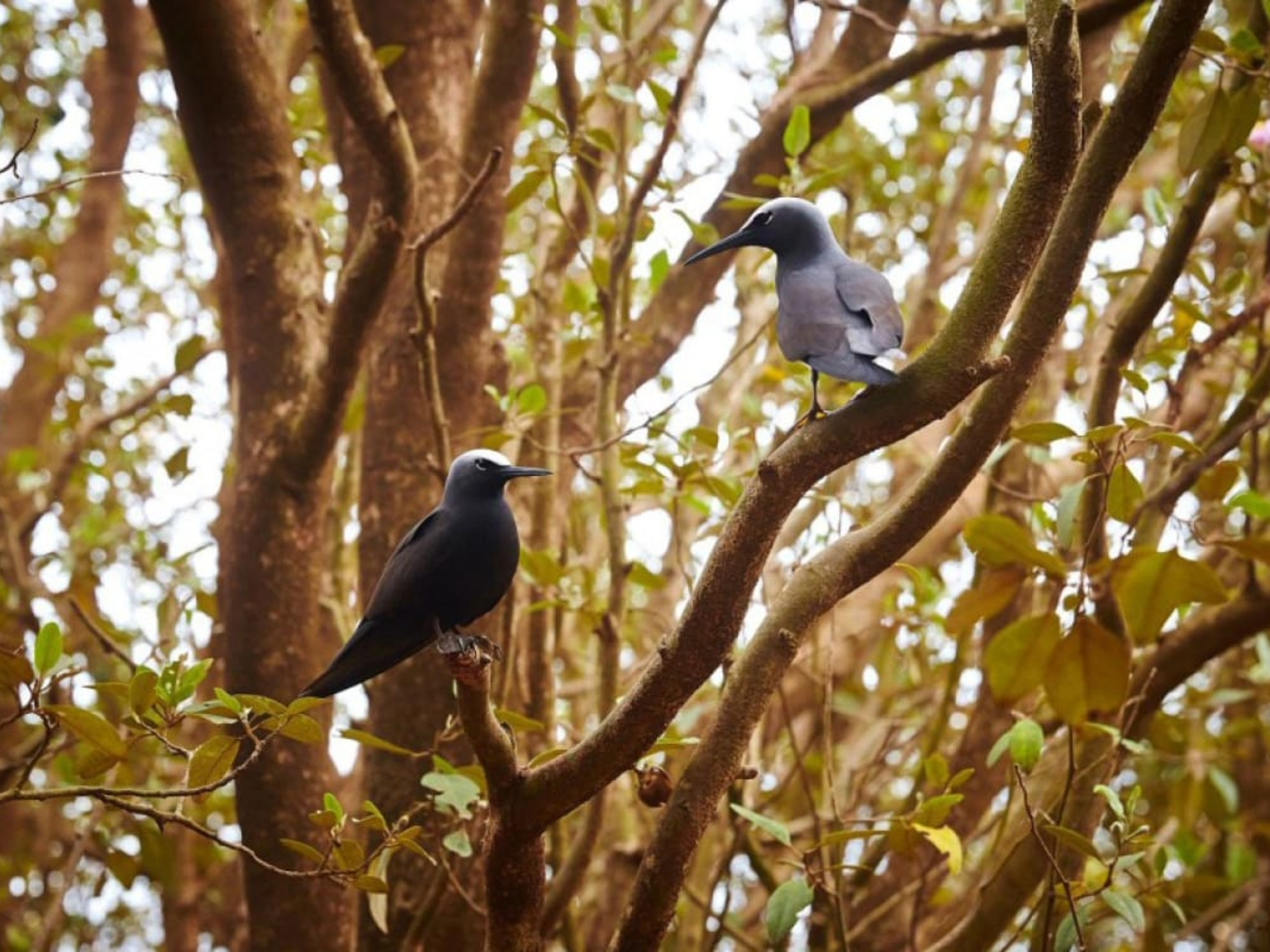
Birdwatching highlights
Rare endemic species: Norfolk Island’s isolation means many of the local birds evolved here and are found nowhere else. The Green Parrot is the island’s most iconic bird and a conservation success story, brought back from near extinction, but the island is also home to the rare morepork owl, Norfolk Island robin and Golden Whistler.
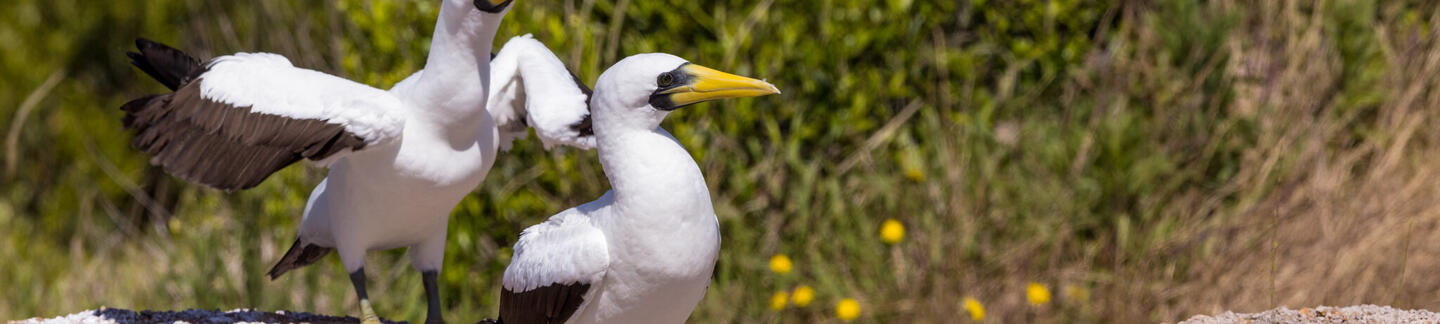
Spectacular seabirds: Norfolk Island is surrounded by rich marine habitat which attracts masked boobies, sooty terns and black- winged petrels. Nearby Phillip Island is home to huge seabird colonies, especially at nighttime when petrels return to nest.
Prime viewing: One of Norfolk Island’s greatest advantages is its variety of bird habitats. Wander through subtropical rainforest to spot endemic species like robins and green parrots, then head to clifftops and coastal lookouts to see seabirds in action. And the island’s open valleys and gardens provide clear viewing of more common species.
Year-round activity: Birdwatching on Norfolk Island is rewarding year-round. From August to December, the breeding season brings heightened activity and more frequent sightings, while November to February is peak seabird season. Throughout the year, robins and green parrots offer consistent encounters no matter when you visit.
Norfolk Island Green Parrot
The Green Parrot is a cherished Norfolk Island local, which feeds on the seeds of Norfolk Island’s iconic pine trees. The Norfolk Island National Park is the perfect place to spot one – keep an eye out for flashes of vivid green and red plumage and listen for its unique call.
What makes an encounter with the vibrant Green Parrot so special is the fact that it once teetered on the brink of extinction. Dedicated recovery programs have helped the population rebound, though it remains classified as endangered, and it is now an emblem of the island's conservation efforts.
Their preferred habitats are tall forests with dense undergrowth, where they nest in hollow tree trunks – venture to Mount Bates and Mount Pitt for the best chance to spot one.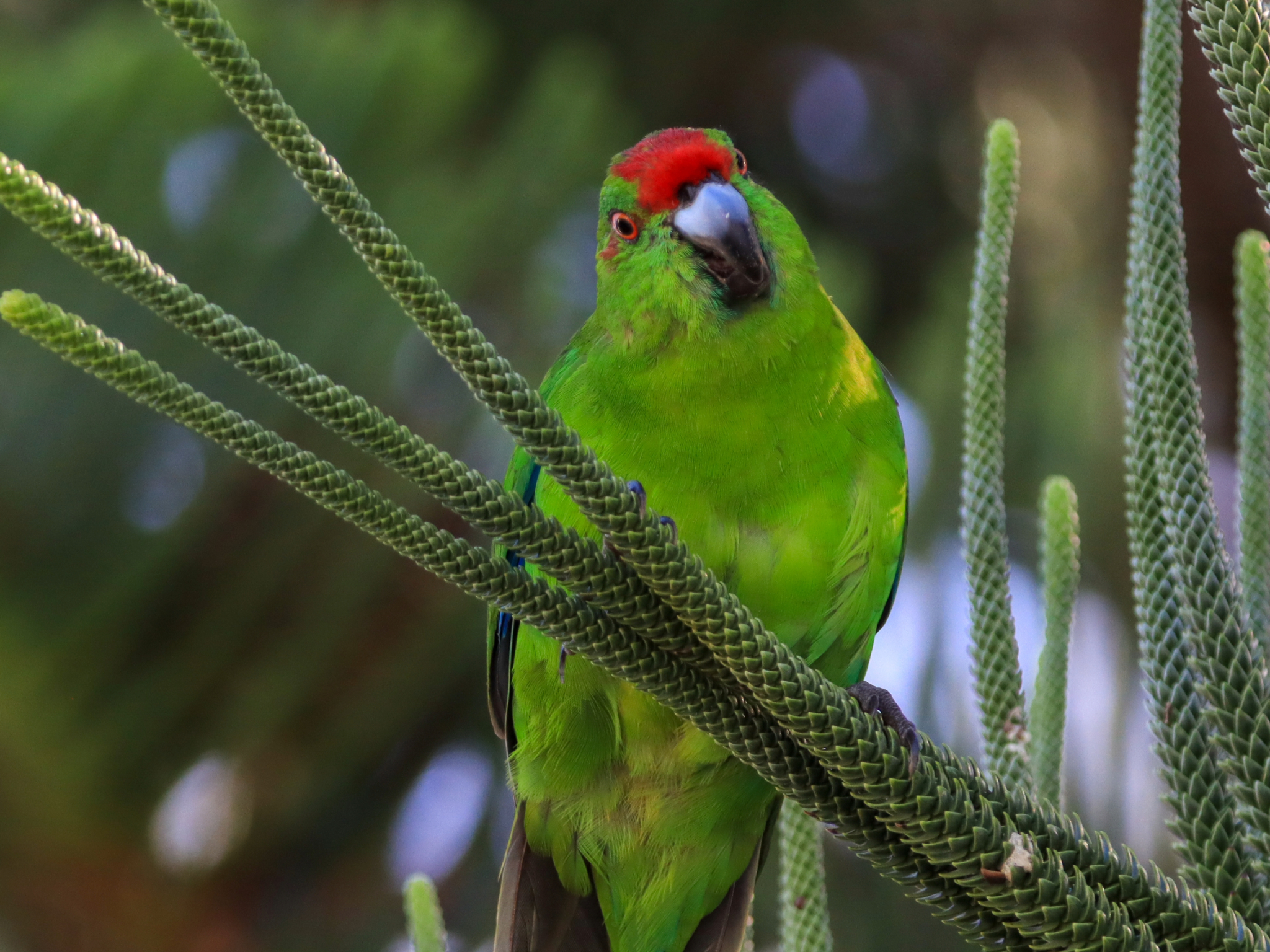
Other Birds of Norfolk Island
While the Norfolk Island Green Parrot often gets most of the attention, the island is home to around 116 bird species, many of them found nowhere else in the world.
Forest birds: Norfolk Island’s forests are alive with movement and birdsong, offering some of the island’s most rewarding sightings. The tiny Norfolk Island Gerygone is often heard before it is seen, its melodic call drifting through the canopy as it flits among the leaves. The colourful Pacific Robin adds a vibrant splash of red and black to the understorey, with males frequently hopping along tracks in search of insects. Another familiar presence is the lively Grey Fantail, easily recognised by its constantly fanned tail and darting, acrobatic flight. Overhead, the Nankeen Kestrel – also known as the Australasian kestrel – can sometimes be seen hovering gracefully above open forest edges and ridgelines such as Mt Pitt, scanning the ground below for prey.
Seabirds: The island’s dramatic cliffs and surrounding ocean provide habitat for a spectacular array of seabirds. Pure white and ethereal in flight, the White Tern glides effortlessly along the coastline and is unique for laying its eggs directly on bare tree branches without building a nest. The striking Red-tailed Tropicbird is another highlight, instantly recognisable by its long scarlet tail streamers and graceful aerial displays during breeding season as it nests on cliff ledges. Along sandy and grassy coastal slopes, the Wedge-tailed Shearwater – known locally as the “muttonbird” – nests in burrows and can often be seen returning from sea at dusk. Offshore islets and rocky outcrops are home to the Masked Booby, where adults and their fluffy, oversized chicks can sometimes be spotted from coastal lookouts such as the Captain Cook Monument or Bird Rock.
Nocturnal species: As evening falls, a different side of Norfolk Island’s birdlife emerges. The island’s only native owl, the Norfolk Island Morepork – often called the boobook – emerges at dusk, its distinctive “boo-book” call echoing through forested valleys. Once critically endangered, this subspecies has rebounded thanks to a successful conservation breeding program. After sunset, the Wedge-tailed Shearwater returns again to the spotlight as thousands of birds come ashore under cover of darkness. Their eerie, wavering calls drifting from burrows have earned them the local nickname “ghostbirds,” creating an unforgettable nighttime soundscape across the island.
Best Birdwatching Spots on Norfolk Island
To truly appreciate Norfolk Island’s remarkable birdlife, it’s worth exploring a handful of standout locations – each offering something unique, from dense forest habitats to dramatic coastal views.
Norfolk Island National Park: The island’s premier birdwatching destination, the park is home to many endemic species. Walking tracks around Mount Pitt and Mount Bates provide excellent opportunities to spot the iconic Green Parrot along with a variety of forest birds. Early morning and late afternoon are the most active times, when birds are feeding and calling. Tracks range from easy to moderate, with some gentle inclines, and the well-maintained paths make it accessible for most visitors. Guided tours are available and can greatly enhance the experience with local insight.
100 Acres Reserve: A peaceful, lesser-known gem, this lush reserve offers shaded trails and a high chance of encountering endemic species in a quieter setting. Its flat, easy walking tracks make it ideal for a relaxed birdwatching stroll at any time of day, though mornings tend to be most rewarding. The reserve’s tranquillity and dense vegetation create a more intimate nature experience.
Captain Cook Lookout: Perched high on rugged coastal cliffs, this is the place to witness Norfolk Island’s seabirds in action. Red-tailed tropicbirds and white terns can often be seen gliding and nesting along the dramatic coastline. Late afternoon is particularly spectacular, with seabirds riding the ocean breezes as the light softens. Access is easy, with minimal walking required, making it suitable for all visitors.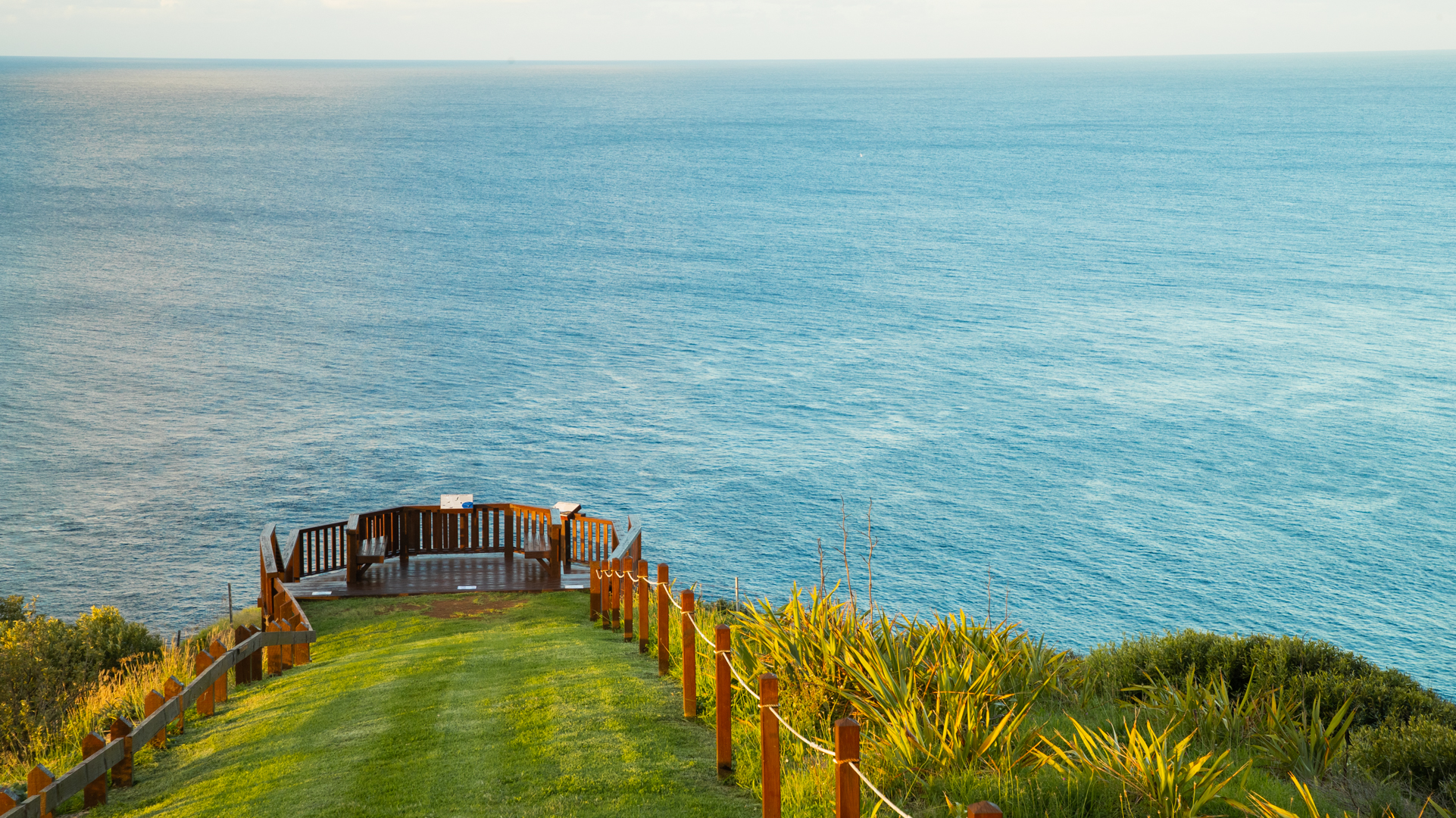
Norfolk Island Botanic Garden: Located near the national park, these gardens are perfect for spotting smaller forest birds such as gerygones and robins. The mix of native plantings and quiet pathways attracts a variety of species in a compact area. Mornings are ideal for bird activity, and the easy, well-marked trails make it a great option for all fitness levels. While typically self-guided, interpretive signage helps you identify both birdlife and flora.
Discover Norfolk Island’s amazing birdlife with ease – let Spacifica Travel plan your holiday, including packages and accommodation, so all you need to do is explore and enjoy.
FAQs
What is the most famous bird on Norfolk Island?
The Norfolk Island Green Parrot is the island’s most iconic bird. Once critically endangered, it is now a conservation success story.
Where can I see the Norfolk Island Green Parrot?
Your best chances are in the subtropical forests around Mount Pitt and Mount Bates within Norfolk Island National Park. Early mornings or late afternoons are prime times, when the parrots are most active.
Do I need to be an experienced birdwatcher to enjoy the island?
Not at all! Norfolk Island offers accessible walking trails and varied habitats, making it easy to spot both endemic and common species.
Are there guided birdwatching tours available?
Yes – you can join Norfolk Island’s leading bird expert, Margaret Christian, for a half-day birdwatching tour that explores the island’s unique and rare birdlife. The tour takes you through native rainforest and along clifftops, with opportunities to spot both endemic forest birds and seasonal seabird rookeries.
What should I bring for birdwatching?
Bring a pair of binoculars, comfortable walking shoes, water, sun protection and a notebook or camera if you’d like to record sightings. Lightweight clothing in layers is recommended, and don’t forget insect repellent for forested trails.
Share via
Other blog articles you may enjoy…

Things To Do in Denarau (Based on Your Available Time)
One Foot Island Aitutaki: Cook Islands' Most Famous Destination
Holidaying in Fiji: Things to Do, See, Eat and Experience