St Barnabas Chapel Norfolk Island: A Pacific Gem of the Melanesian Mission
Share via
Some of Norfolk Island's most remarkable places don't announce themselves straight away.
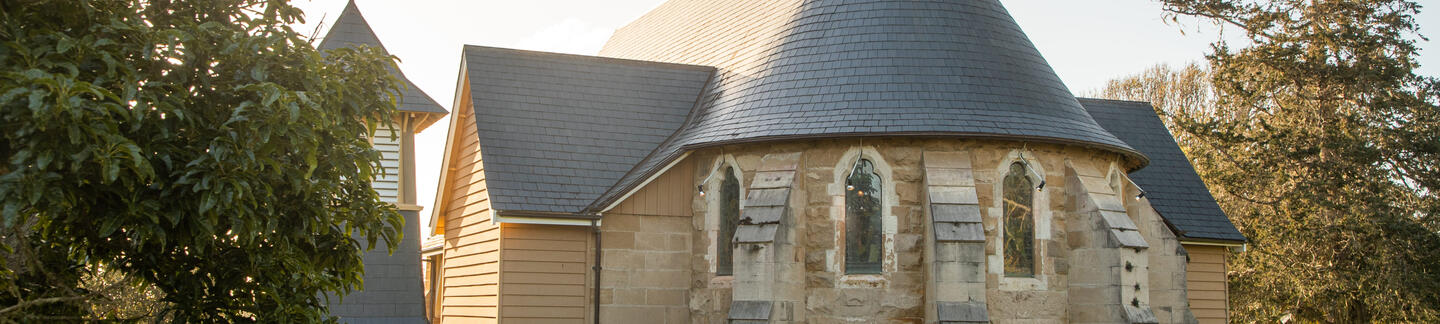
From the outside, St Barnabas Chapel is an elegant Georgian-style building, quietly sitting among the grounds of the former Melanesian Mission. It's only when you step through its doors that you understand why so many visitors consider it one of the island's greatest surprises.
Light spills through colourful stained glass onto shimmering mother-of-pearl inlays. A vaulted timber ceiling rises overhead like the hull of an upturned ship. Every carved detail tells part of a story that stretches across Norfolk Island and the wider Pacific.
If you're interested in Norfolk Island heritage, architecture or Pacific history, St Barnabas Chapel deserves a place on your itinerary.
A Chapel Built at the Edge of the Pacific
St Barnabas Chapel stands on what was once the headquarters of the Melanesian Mission, an Anglican mission that made Norfolk Island its base from the 1860s.
Built around 1880 by Henry Willis & Sons as a memorial to John Coleridge Patteson, an English Anglican bishop and missionary to the South Sea Islands. As a place of worship for missionaries and Melanesian students, the chapel became the spiritual heart of a community connected to islands across Melanesia. It served as the Mission's mother church for decades, and today remains one of the finest surviving examples of Victorian mission architecture in the South Pacific.
Its exterior is understated, with clean lines and stone walls that blend naturally into Norfolk Island's historic landscape. Inside, it's a different story. The craftsmanship is so unexpected that many visitors pause almost immediately after entering, taking a moment to let their eyes adjust before they begin noticing the details. 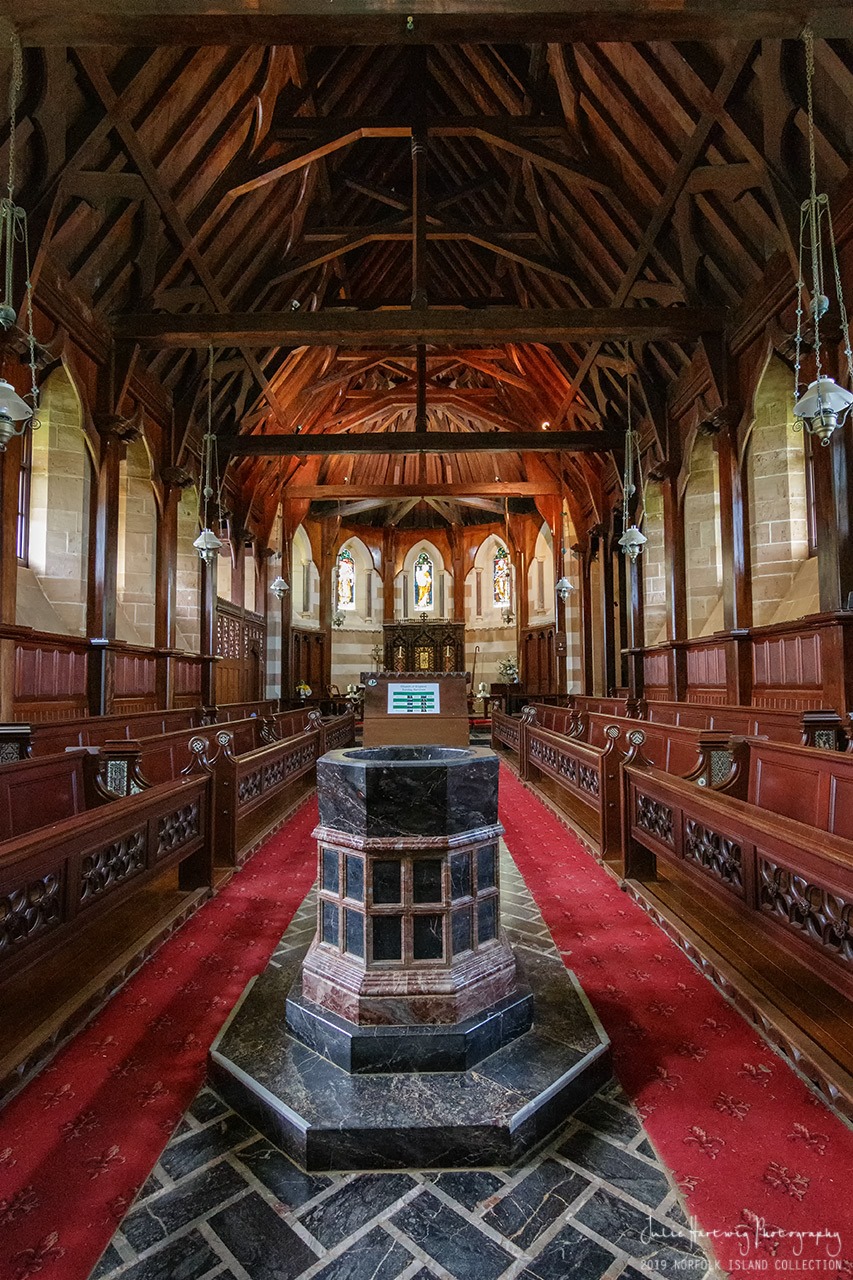
The Melanesian Mission: A Story That Shaped Norfolk Island
To understand St Barnabas Chapel Norfolk Island, it helps to understand the community that built it.
The Melanesian Mission was established in the 1840s with the aim of bringing Christianity to the islands of Melanesia. In the 1860s, Norfolk Island became its headquarters, where students from across the South Pacific came to study before returning to their home islands as teachers and church leaders.
One of the Mission's most influential figures was Bishop John Coleridge Patteson, whose dedication helped shape its early years. During a visit to Australia, he rallied support for the Mission, even committing his own personal fortune to its work.
His story also reflects one of the Pacific's most complex historical periods. As the illegal practice of blackbirding, the coercive recruitment of Pacific Islanders for overseas labour, spread through the region, Patteson became increasingly involved in opposing it. During a voyage to the Solomon Islands, he was tragically killed after being mistaken for a slave trader, an event that helped draw greater attention to abuses occurring across the Pacific.
Today, the Melanesian Mission's legacy is understood through a broader historical lens. It represents both a significant chapter in Anglican history and a reminder of the complicated intersections between colonialism, Christianity and Pacific Island communities during the nineteenth century.
That layered history is part of what makes St Barnabas Chapel such an important place to visit.
Step Inside: A Chapel Like No Other
The chapel's greatest strength isn't its size, it's the extraordinary craftsmanship packed into every corner.
The Mother-of-Pearl Inlays
If there's one feature that defines St Barnabas Chapel, it's the remarkable mother-of-pearl inlays.
Created by Melanesian students using shell brought from across the Pacific, the intricate inlaid work transforms timber furnishings into something almost luminous. The shell catches the light differently throughout the day, shifting from soft iridescence to bright flashes of colour as sunlight moves through the windows.
The craftsmanship is astonishing not simply because of its beauty, but because it was created in such a remote corner of the Pacific.
Every carved pew decoration and carefully placed shell detail speaks to the skill, patience and artistry of the people who built this remarkable chapel.
The Stained Glass
The stained glass is equally impressive. The chapel's celebrated Rose Window, designed by William Morris in Surrey, England, was dedicated in 1880 as a memorial to members of the Melanesian Mission who lost their lives while serving across the Pacific.
Throughout the chapel, Victorian-style stained glass fills the interior with rich colour. What makes it especially memorable is the way those coloured beams of light fall across the pearl inlays, creating an atmosphere that feels unlike any other historic church on Norfolk Island. 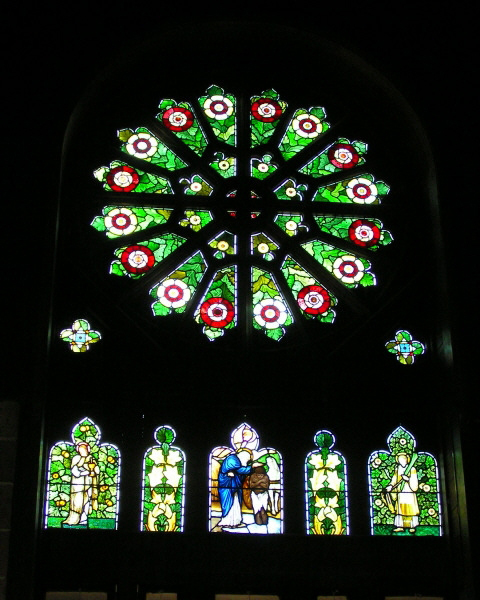
The Timber Ceiling and Historic Details
Look up, and you'll notice another beautiful piece of craftsmanship. The soaring vaulted timber ceiling resembles the hull of an upturned ship, giving the chapel both warmth and remarkable acoustics.
Music has long been part of the chapel's story too. Its historic 1876 Henry Willis organ remains largely original after careful restoration and continues to be used today, adding another layer to this living heritage site.
Visiting St Barnabas Chapel
One of the nicest things about visiting St Barnabas Chapel is how easy it is to experience. The chapel welcomes visitors with an open-door approach, allowing you to explore at your own pace.
A few tips can help you make the most of your visit:
Allow around 30 to 60 minutes to explore the interior.
Dress respectfully, as the chapel remains an active place of worship.
Take your time. The craftsmanship reveals itself gradually.
If you're already exploring the UNESCO-listed Kingston and Arthur's Vale Historic Area, St Barnabas Chapel fits naturally into the same itinerary.
Why St Barnabas Captures Norfolk Island So Well
Few places bring together so many threads of Norfolk Island's story in one building. It's a place of worship. A work of extraordinary craftsmanship. A reminder of the Melanesian Mission's lasting influence. And a window into the wider history of the Pacific.
Visitors often arrive expecting to admire an old church, yet they leave talking about the light on the mother-of-pearl, the stories behind the Mission and the quiet feeling of sitting inside a building that has witnessed more than a century of island life. 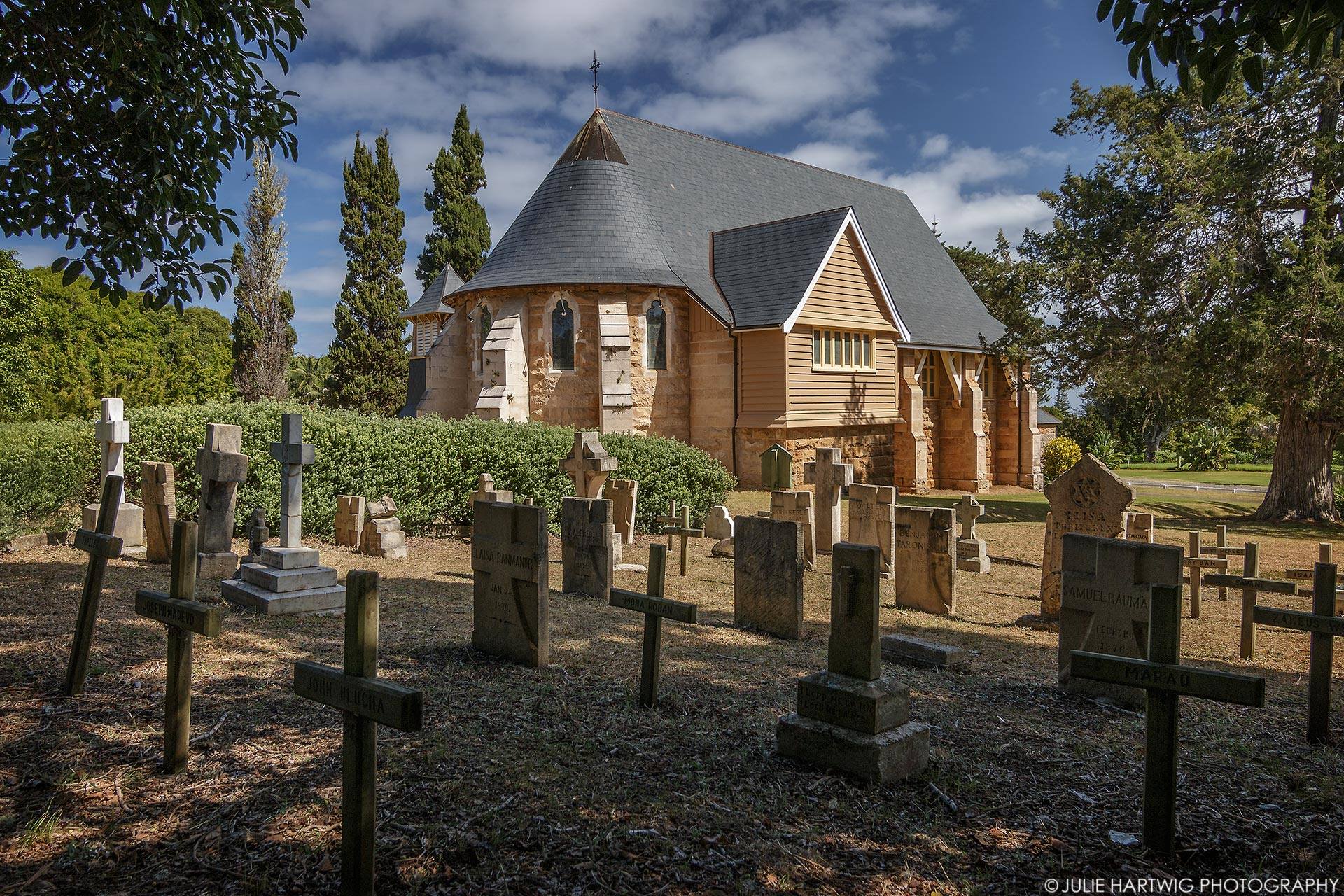
Who Should Visit St Barnabas Chapel?
St Barnabas Chapel appeals to far more than history enthusiasts. It's especially rewarding for:
Travellers interested in Norfolk Island historic buildings
Couples looking for meaningful cultural experiences
Architecture lovers
Visitors curious about Pacific history
Anyone wanting to explore beyond Norfolk Island's beaches
You don't need specialist knowledge to appreciate it, curiosity is enough.
Plan Your Norfolk Island Heritage Holiday with Spacifica
At Spacifica, we know that Norfolk Island's most memorable experiences often come from stepping inside places like St Barnabas Chapel. We can help you build a holiday that combines the island's heritage, nature and local experiences, with Norfolk Island holiday packages that include flights and accommodation, leaving you free to explore at your own pace.
Before you visit, you can also discover more about Kingston and Arthur's Vale, explore Norfolk Island's World Heritage places, and browse our Things to Do guides for more ways to experience the island beyond its beautiful coastline. Because some stories are best understood where they happened, and St Barnabas Chapel is one of Norfolk Island's finest places to begin.
Share via
Other blog articles you may enjoy…
The Significance of Bounty Day Norfolk Island
Treasures of Norfolk Island

Best South Pacific Islands for Australians Who Want an Easy Close-to-Home Holiday