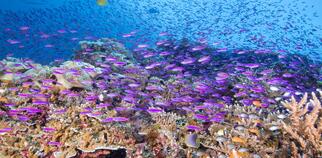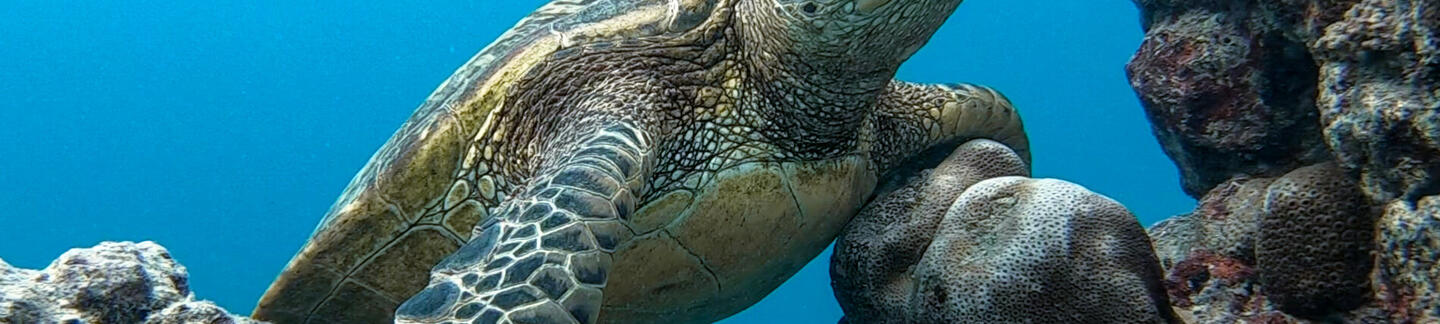
For many visitors, the real magic of Rarotonga begins the moment they slip beneath the surface. Encircling the island is a natural barrier reef that creates crystal-clear lagoons, vibrant coral gardens and an underwater world teeming with tropical marine life.
Whether you're taking your very first snorkel or you're an experienced diver chasing dramatic drop-offs and reef passages, Rarotonga reef offers an unforgettable way to experience the Cook Islands.
What Makes the Rarotonga Reef Special?
The reef completely surrounds Rarotonga, forming sheltered lagoons where warm, shallow water makes exploring easy and enjoyable. Beyond the reef lies the open ocean, where the seabed drops away into deeper water, creating spectacular dive sites for certified divers.
One of the reef's unique features is its constantly changing marine life. Fish move in and out of the lagoon with changing tides, meaning every snorkel or dive can reveal something different. Even in the shallowest areas, there's plenty to discover. Sunlight dances across coral bommies, schools of colourful fish weave through the reef, and the calm, warm water makes it easy to linger and take it all in.
Snorkelling on the Rarotonga Reef
Best Spots for Snorkelling
One of Rarotonga's biggest attractions is that some of its best snorkelling is accessible straight from the beach. You don't need a boat or previous experience to enjoy the reef – simply step into the lagoon and start exploring.
Muri Lagoon
With calm, shallow water protected by the surrounding reef, Muri Lagoon is ideal for families and first-time snorkellers. The clear conditions make it easy to spot colourful reef fish among the coral, and with a little luck you may even encounter sea turtles or rays gliding through the lagoon.
Aroa Lagoon Marine Reserve
Protected from fishing and boating, Aroa Lagoon Marine Reserve has become a thriving sanctuary for marine life. Coral bommies attract an impressive variety of tropical fish, while the gentle conditions make it another excellent choice for beginners. 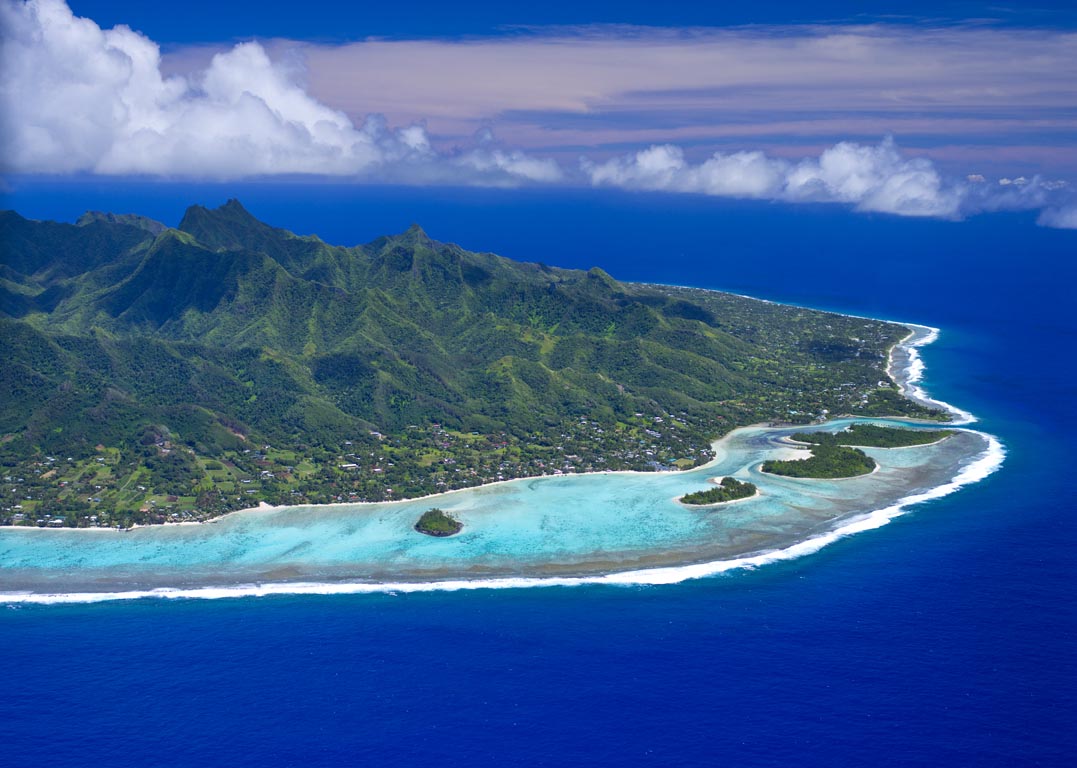
Titikaveka
Often regarded as one of the island's premier snorkelling locations, Titikaveka combines clear water with healthy coral and abundant marine life. It's also generally quieter than some of the more popular beaches, making it a wonderful place to enjoy the reef at your own pace.
Fruits of Rarotonga (Tikioki)
Famous for its coral bommies, this marine reserve rewards snorkellers with colourful reef fish, including butterflyfish, parrotfish, angelfish and schools of convict surgeonfish. Depending on conditions, you may also spot moray eels or even the occasional turtle passing through. Mild currents can develop here, so fins are recommended.
Black Rock
On the island's western side, Black Rock is often one of the calmest places to snorkel, particularly when south-easterly winds are blowing elsewhere around the island. Its striking volcanic rocks, white sand and clear water create a spectacular setting both above and below the surface.
What You Might See
Every snorkel is different, but the reef is home to an extraordinary variety of marine life.
Expect to see colourful parrotfish, butterflyfish, angelfish, triggerfish and wrasse darting through the coral, while sea cucumbers, starfish and sea urchins quietly inhabit the sandy seabed. Healthy coral gardens provide shelter for countless juvenile fish, adding constant movement and colour to the lagoon.
Sea turtles are regularly seen around several snorkelling areas, while rays and small reef sharks are occasionally spotted in deeper water or along the outer reef. Although sightings are never guaranteed, they're always a memorable bonus when they happen.
Diving the Rarotonga Reef
Beyond the lagoon, Rarotonga's underwater landscape becomes even more dramatic. Boat dives access steep walls, reef passages, caves, canyons and historic wrecks, with nearly 50 dive sites catering to a range of experience levels. Warm water temperatures, impressive visibility and healthy coral make diving possible throughout much of the year.
Dive Sites Worth Knowing
The Avaavaroa Passage
One of Rarotonga's signature dives, Avaavaroa Passage features underwater canyons, caves and swim-throughs carved into the reef. Strong currents often attract larger marine life, and divers may encounter turtles, eagle rays or whitetip reef sharks during the dive. 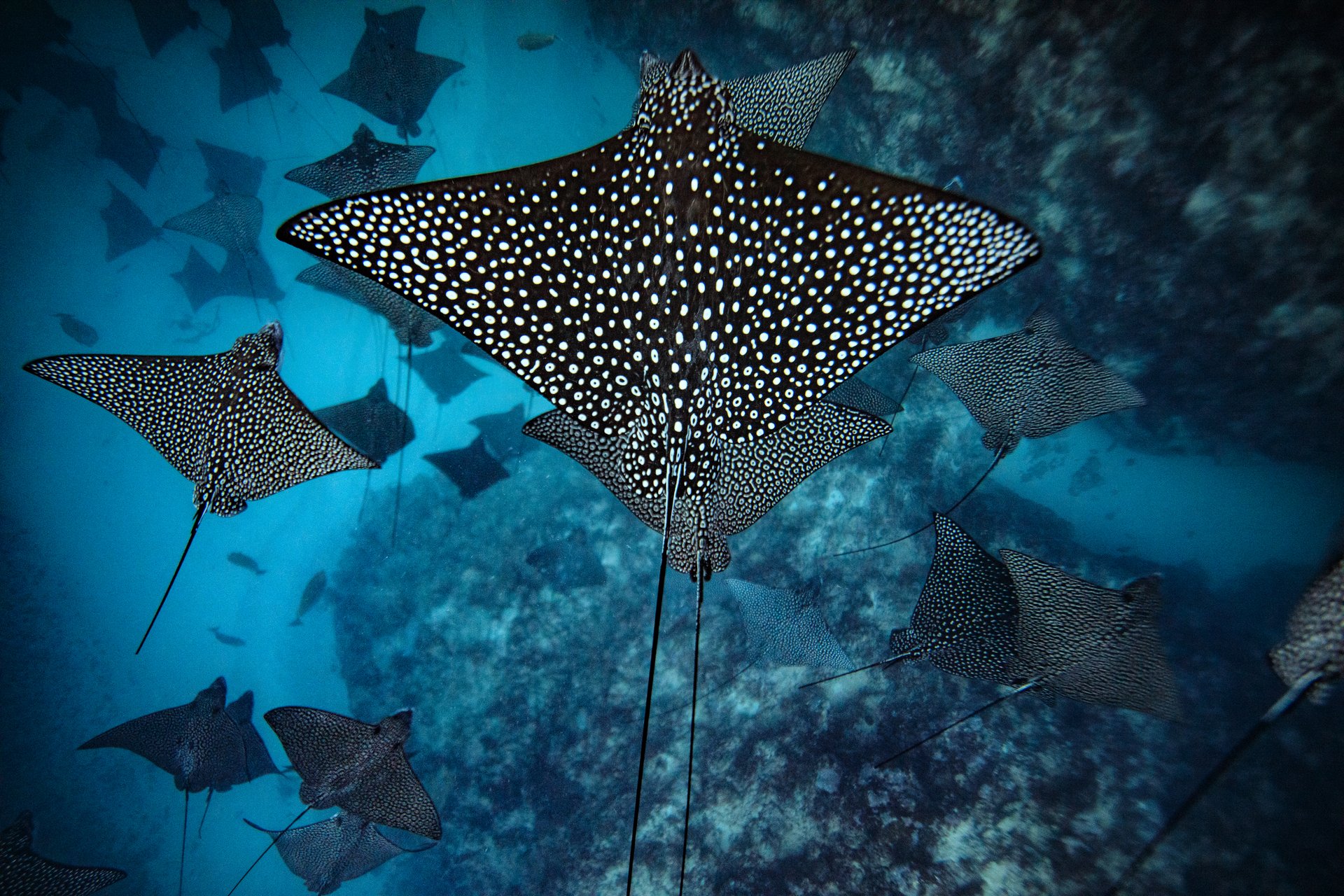
Papua Passage
Popular with experienced divers, Papua Passage combines narrow channels, dramatic walls and shallow caverns. The current-driven environment supports vibrant fish life, and sightings of turtles, eagle rays and reef sharks are all possible.
Mataora Wreck
Deliberately scuttled off Rarotonga's northern coast, the MV Mataora has been transformed into a thriving artificial reef. Once a Tongan cargo ship, the wreck is now covered in coral growth and attracts a colourful array of reef fish, making it one of the island's most popular dive sites.
Edna's Anchor
Located on the island's north coast, this deep-water dive follows the reef edge before descending towards the historic anchor of the schooner Edna, resting about 24 metres below the surface between two large coral bommies. As the reef falls away to depths of around 65 metres, divers can explore a thriving ecosystem where parrotfish, lionfish, scorpionfish, peacock groupers, turtles, damselfish, sea cucumbers and vibrant corals are commonly found.
SS Matai
One of Rarotonga's most fascinating historic dive sites, the SS Matai ran aground on Christmas Eve in 1916 while carrying a cargo of Model T Fords from San Francisco. More than a century later, the remains of the vessel – including its massive boiler, engine components and sections of the bow – rest on the reef just outside Avarua Harbour. Sitting on the reef edge, the site experiences strong surge and is best explored in suitable conditions.
Arorangi Drop-Off
Beginning at around 18 metres, the reef gradually descends to around 30 metres, revealing impressive coral bommies and attracting larger pelagic species thanks to the ocean currents flowing through nearby Arorangi Passage. Divers may encounter trevally, lionfish and, with a little luck, eagle rays cruising along the reef edge.
Papua Drop-Off
Suitable for a range of experience levels, Papua Drop-Off follows a sandy channel towards the reef wall before descending from around 18 metres. Divers can choose to explore the drop-off itself or remain on the reef plateau, with a shallow cavern entrance adding another point of interest. This site is well known for occasional eagle ray sightings, while turtles and giant clams are also regularly seen.
Avaavaroa Drop-Off
Just 300 metres offshore, Avaavaroa Drop-Off features a dramatic underwater wall that plunges from around 18 metres to beyond 30 metres. The combination of deep water and ocean currents makes it one of Rarotonga's premier sites for spotting larger marine life. While sightings are never guaranteed, divers often keep an eye out for reef sharks, eagle rays and giant trevallies cruising the blue.
Diving Experience Levels
Many lagoon snorkelling areas on Rarotonga reef are ideal for first-time visitors thanks to their calm, shallow water and easy beach access. If you're new to scuba diving, local operators offer beginner-friendly dives and guided experiences with equipment provided.
More advanced dive sites, particularly the reef passages and current-driven channels, are best suited to certified divers with appropriate experience.
When Is the Best Time to Snorkel or Dive in Rarotonga?
The best time to snorkel or dive in Rarotonga is during the dry season from May to October. During these months, water temperatures hover around 24–26°C and underwater visibility is at its peak, often exceeding 30 metres. This period also coincides with the humpback whale migration (July to October), offering unique opportunities to see or hear whales. 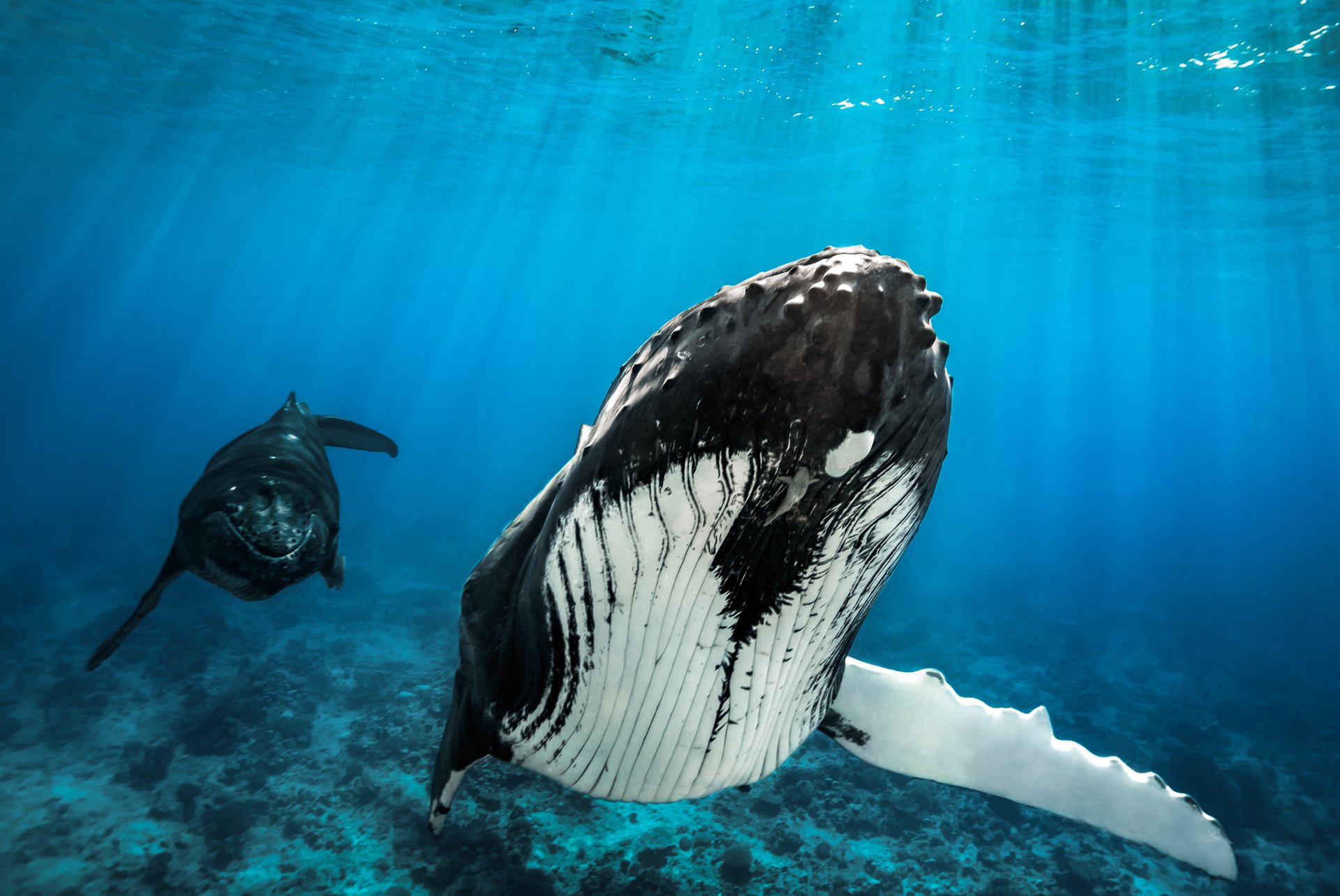
Practical Tips for the Reef
A little preparation goes a long way towards making your reef adventure enjoyable.
· Always snorkel or dive with a buddy.
· Check local weather, tides and water conditions before entering unfamiliar areas.
· Reef shoes are useful for rocky or coral entry points.
· Wear reef-safe sunscreen to help protect the fragile marine environment.
· Book dive trips ahead of time during peak travel periods.
· If you're unsure where to snorkel, ask a local operator for advice on the best locations based on the day's conditions.
Whether you're floating quietly above a coral garden or descending into one of Rarotonga's dramatic reef passages, the island offers unforgettable underwater experiences at every level. With warm tropical water, thriving marine life and easy access straight from the beach, it's little wonder the reef is one of the Cook Islands' most treasured natural attractions.
Plan Your Cook Islands Holiday with Spacifica
The reef is only the beginning of what makes Rarotonga unforgettable. Let the travel experts at Spacifica create a holiday that combines flights, accommodation and car hire, giving you the freedom to explore vibrant coral gardens by day and enjoy the island's culture, cuisine and warm hospitality by night. Your Cook Islands adventure starts here.
Share via
Other blog articles you may enjoy…
St Barnabas Chapel Norfolk Island: A Pacific Gem of the Melanesian Mission

Inspiring walks and treks of the South Pacific
Treasures of Norfolk Island